How to Build a Supplement Stack for Your Goals
Learn how to build a supplement stack for muscle, energy and recovery, with practical dosing, timing and safety tips for Australian gym-goers training.

A supplement stack should make your training easier to execute, not turn your kitchen bench into a chemistry lab. Knowing how to build a supplement stack starts with one honest question: what is the biggest thing holding back your progress right now? For some people it is hitting daily protein. For others, it is flat sessions after work, poor recovery, or sleep that never feels deep enough.
Supplements can support a well-built routine, but they cannot replace food, training, sleep and consistency. Get those foundations moving first, then use products with a clear job to do. That approach saves money, reduces overlap between formulas and gives you a far better chance of noticing what actually works.
How to build a supplement stack around one goal
Start with a primary goal for the next 8 to 12 weeks. You can still care about muscle gain, fat loss, strength and general health, but trying to buy for every goal at once usually creates an expensive, confusing stack. Choose the outcome that matters most, then select only the products that directly support it.
For muscle gain, your priority is enough total calories, sufficient protein and progressive training. For fat loss, the focus is a manageable calorie deficit, protein intake, resistance training and daily movement. For performance, it may be training fuel, hydration and a pre-workout you tolerate well. For recovery and wellbeing, sleep quality, food quality and stress management deserve attention before adding a long list of capsules.
Your stack should fit the gap, not the marketing claim. If you already eat plenty of protein and train early in the morning with a solid breakfast, another protein powder or high-stim pre-workout may not be the answer. If you regularly miss protein targets because workdays get hectic, a convenient shake could be one of the most useful purchases you make.
Build the foundation before the extras
A simple base stack suits most regular gym-goers better than an overloaded one. The exact products depend on your diet and training, but these categories have a clear place when needed:
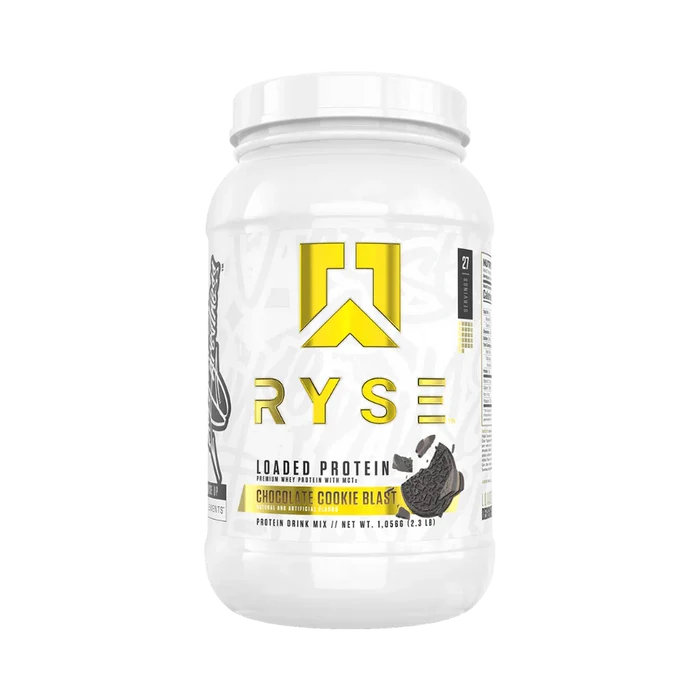
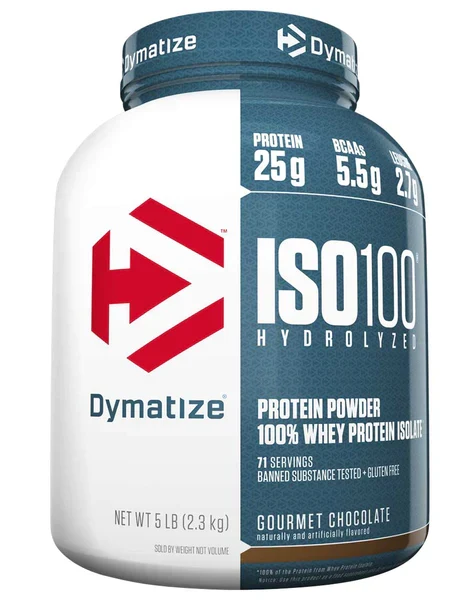
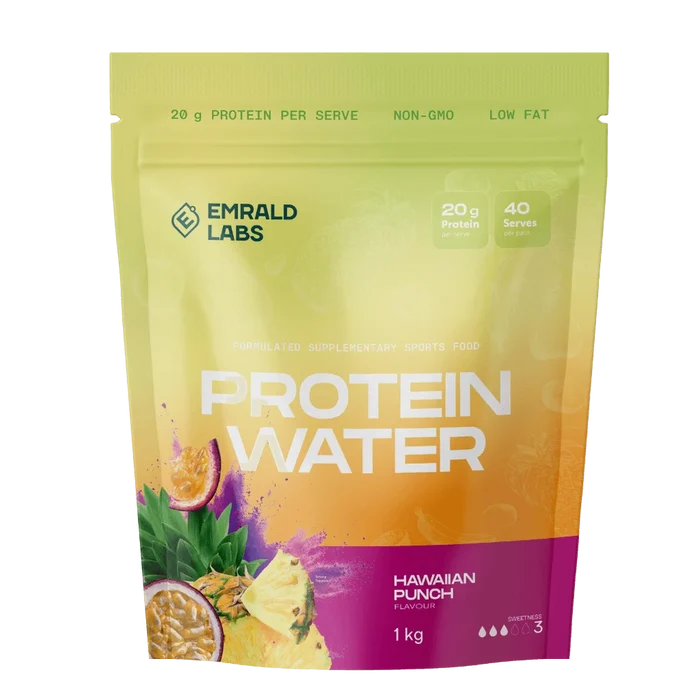
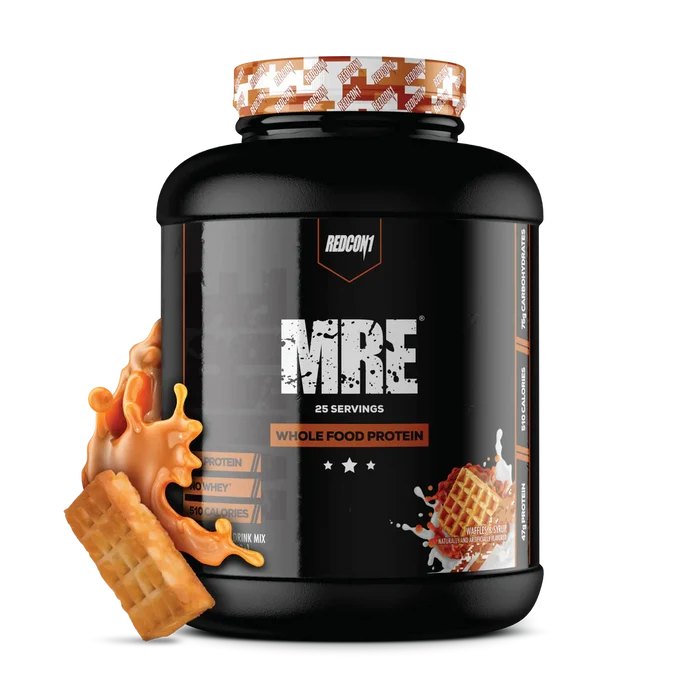
- Protein powder helps you reach your daily protein target when whole-food meals are impractical. Whey is a popular all-rounder, whey isolate can suit people wanting lower lactose and carbohydrate content, and vegan blends are a solid option for plant-based diets.
- Creatine monohydrate supports high-intensity training performance and can assist strength and lean mass gains over time. It is not a pre-workout buzz product. Its value comes from taking it consistently.
- Hydration or electrolytes can be useful for long, hot or sweaty sessions, especially during an Australian summer, endurance work or double-training days.
- A basic health product, such as omega-3s or a vitamin and mineral formula, may make sense where your diet or blood work identifies a genuine shortfall. It is not a substitute for vegetables, fruit and varied meals.
Set your protein target first
For people lifting regularly, a practical daily protein range is often around 1.6 to 2.2 grams per kilogram of body weight. Your ideal intake depends on your goal, energy intake, training volume and personal preference. You do not need to get every gram from powder. Think of protein powder as convenient food: a shake after training, between meetings or blended into breakfast when you are short for the day.
Keep creatine boring and consistent
Three to five grams of creatine monohydrate daily is the standard approach for most adults. Take it whenever you are most likely to remember it - in a shake, with breakfast or after training. A loading phase is optional, not mandatory. You may notice a small increase in scale weight from water stored in the muscle, which is normal and not body fat.
Add performance products only when they solve a problem
Once your foundation is covered, decide whether training performance needs extra support. This is where pre-workout, carbohydrates, amino acids and pumps can have a place, but product choice matters.
If you train after a long day and your energy is consistently low, a pre-workout may help you attack sessions with more focus. Check the label for caffeine content and begin with the smallest effective serving. More stimulant does not automatically mean a better workout. Too much can leave you shaky, anxious, dehydrated or staring at the ceiling at midnight.
Non-stimulant pre-workouts are worth considering if you train late, are sensitive to caffeine or already get plenty from coffee and energy drinks. They can support training focus and pump without pushing your total stimulant intake higher. It depends on the formula, of course, so read the active ingredients rather than relying on the front label.
Fast-digesting carbohydrates can be handy for long sessions, endurance work, high-volume training blocks or athletes struggling to eat enough calories. Amino acids may be convenient when training fasted or when a flavoured drink helps you stay hydrated, but they are rarely essential if total protein intake is already on point.
Avoid accidental ingredient overlap
The most common stacking mistake is doubling up without realising it. A pre-workout, fat burner, energy drink and coffee can quickly add up to more caffeine than intended. A greens powder, multivitamin and separate mineral products may also overlap heavily.
Before adding anything new, put every product label side by side. Look at caffeine, creatine, vitamin and mineral amounts, herbal extracts and any ingredients you already know you react badly to. This five-minute check can prevent a stack that costs more while delivering less.
Fat burners deserve the same level-headed approach. Some may support energy, appetite control or training motivation, but they do not create fat loss without a calorie deficit. If stimulants disrupt your sleep, any short-term appetite benefit can be wiped out by poorer recovery and stronger hunger the next day.
Timing matters less than consistency
Supplement timing has its place, but it is easy to overthink. Protein is most useful when it helps you meet your total daily intake. Creatine works through consistent daily use. Pre-workout belongs before training, with enough time to assess your tolerance. Hydration products make the most sense around sessions where fluid and electrolyte losses are higher.
Build habits around your existing routine. Keep protein at work, add creatine to the same daily drink, or prepare your training supplement before you leave for the gym. The best stack is the one you will actually use for months, not the perfectly timed plan you abandon after a week.
Test one change at a time
Introduce one new product, use it consistently for two to three weeks and pay attention to the result. Track a few useful markers: training performance, energy, sleep, digestion, appetite, recovery and body weight trends. This turns supplementation into a practical experiment rather than guesswork.
If you add a pre-workout, creatine, greens powder and sleep formula on the same day, you will not know what helped or what caused bloating, headaches or poor sleep. A slower approach also makes it easier to remove products that are not earning their spot.
Safety is part of a smart stack
Follow serving directions, do not exceed recommended doses and buy products with clear labels. Speak with a doctor or accredited practising dietitian before using supplements if you are pregnant or breastfeeding, have a medical condition, take prescription medication, or have concerns around blood pressure, heart health, liver or kidney function.
Competitive athletes should take extra care with batch testing and banned-substance risk. Natural does not automatically mean risk-free, and proprietary blends can make it harder to see exactly how much of each ingredient you are taking.
Mr M Supplements has options across protein, creatine, pre-workout, hydration and recovery, but your best buy is still the product that matches your actual goal and routine. Start simple, train hard, eat well and let each addition prove its value before the next tub lands on your doorstep.
This guide is general information, not medical advice. Check with your doctor or pharmacist before starting a new supplement, especially if you are pregnant, take medication or have a health condition, and always follow the directions on the label.