A Daily Supplement Routine for Men That Works
Build a daily supplement routine for men around protein, creatine, hydration and recovery, with practical timing tips for Australian gym-goers each day.

Your training can be on point, but the result still comes down to what happens between sessions: meals, sleep, fluids and consistency. A daily supplement routine for men should make those basics easier to hit, not turn your kitchen bench into a chemistry lab.
For most Aussie gym-goers, the best starting point is refreshingly simple. Build around the products that solve a genuine gap in your routine, use them consistently, and give them enough time to earn their place. More tubs do not automatically mean more progress.
Start With the Goal, Not the Hype
A supplement routine looks different for a bloke trying to add size than it does for someone training before work, cutting body fat, or chasing better weekend sport performance. The product has to match the problem.
If protein intake is low because breakfast is rushed and lunch is whatever is closest to the office, protein powder is practical. If strength, power and repeat training performance are priorities, creatine monohydrate is hard to beat for value. If you train in heat, sweat heavily or cramp when sessions drag on, hydration support may make more sense than another stimulant.
Before buying anything, nail down your daily non-negotiables: train regularly, eat enough quality food for your goal, get adequate sleep, and drink enough water. Supplements work best as support acts. They cannot outwork a poor diet, six hours of sleep, and inconsistent training.
The Foundation of a Daily Supplement Routine for Men
Protein: use it to close the gap
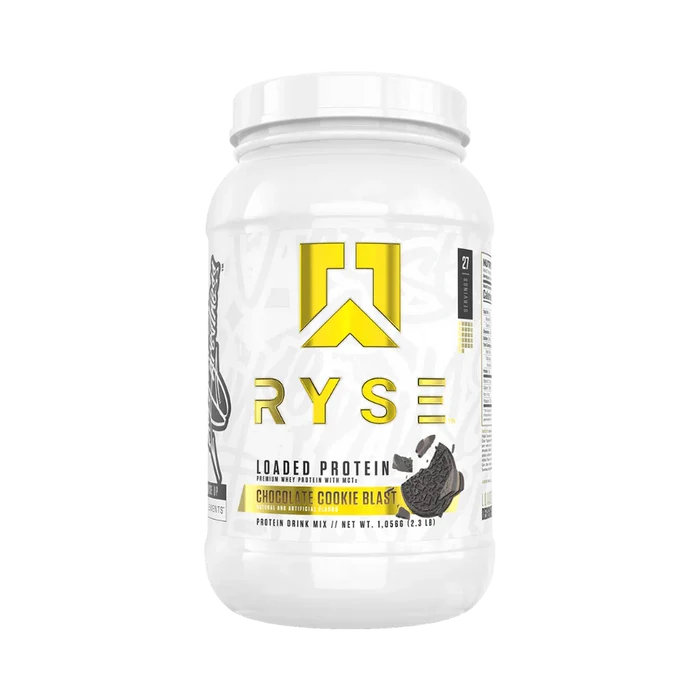
Protein powder is not magic, but it is one of the easiest ways to make daily protein targets more manageable. A shake after training is convenient, though total intake across the day matters more than the exact minute you drink it.
For men lifting regularly, a common target is around 1.6 to 2.2 grams of protein per kilogram of body weight per day. Your ideal amount depends on body size, training volume, food preferences and whether you are dieting. Aim for protein-rich meals first, then use whey, whey isolate, vegan protein or a mass gainer where it helps.
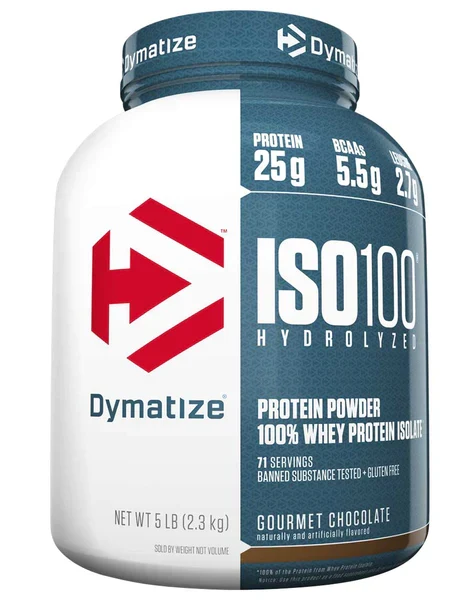
Whey concentrate is a solid all-round option. Whey isolate generally offers higher protein per serve with less lactose and carbohydrate, which may suit people managing calories or digestion. Vegan blends can work well too, especially formulas combining protein sources for a more complete amino acid profile. Pick the one you will actually use consistently.
Creatine monohydrate: the daily performer
Creatine monohydrate deserves its spot because it is simple, well researched and affordable. It supports high-intensity training performance and can help you get more quality work done over time - extra reps, better repeat efforts and stronger sessions add up.
Take 3 to 5 grams daily. Training days, rest days, mornings, nights, in a shake or stirred into water: consistency matters far more than timing. Some people choose a loading phase, but it is not required. Taking the standard daily dose will still build muscle creatine stores over several weeks.
You may notice a small increase in body weight from water held inside muscle cells. That is normal and not the same as gaining body fat. If you have kidney disease, are under medical care, or have concerns about using creatine, speak with your GP or accredited practising dietitian first.
Hydration: do not wait until you feel flat
Water is the main event, but electrolytes can be useful when the conditions demand them. Hard training, humid weather, long shifts outdoors, endurance work and sessions that leave your shirt soaked all increase the case for a hydration product.
Use an electrolyte drink around training when you are losing plenty of fluid and sodium through sweat. For a 45-minute weights session in an air-conditioned gym, water is often enough. Watch for the trap of treating every hydration product as a daily necessity, especially if it contains plenty of sugar or calories that do not fit your goal.
A multivitamin or targeted micronutrient: fill a real gap
A multivitamin can be a sensible insurance policy during busy periods, restrictive diets or phases where food variety is lacking. It should not be a licence to skip fruit, vegetables, wholegrains and quality protein.
Targeted supplements are usually a smarter choice when there is a known need. Vitamin D, iron, B12, zinc and magnesium are common conversation points, but the right answer depends on your diet, lifestyle and blood results. Do not self-prescribe high doses because a label promises more energy or testosterone support. Get personalised advice where appropriate, particularly for iron.
A Simple Day That Fits Real Life
The best routine is the one you can repeat on a Monday morning, not just one you follow during a perfectly organised week. Here is a practical framework for a man training three to five times per week.
At breakfast, take any daily micronutrient product you have a genuine reason to use, ideally with food. If breakfast is light on protein, add a shake, yoghurt bowl with protein powder, or another high-protein option.
Before training, use a pre-workout only if it genuinely improves your session. A stimulant formula can suit evening-free schedules and hard training blocks, but check the caffeine amount and avoid stacking it with coffee, energy drinks or other stimulants. If you train after work or caffeine disrupts sleep, a stimulant-free pre-workout may be the better call.
During longer or sweat-heavy sessions, sip water and add electrolytes when needed. After training, have a protein shake if it is the convenient way to reach your daily target. Add 3 to 5 grams of creatine whenever it fits your day.
At night, prioritise dinner, hydration and sleep rather than hunting for a miracle recovery product. Some men find magnesium or a sleep-support formula useful as part of a wind-down routine, but it will not cancel out late-night scrolling, alcohol or a bedroom that is too warm. Treat sleep support as support, not a shortcut.
Build Slowly So You Know What Is Working
Starting five new products at once is a fast way to waste money and have no clue what caused a benefit, a stomach issue or poor sleep. Add one product, use it consistently for a couple of weeks, then assess it against something measurable.
That could be hitting your protein target more often, adding reps at a given weight, feeling less depleted in hot conditions, or waking up more refreshed. If a product does not solve a clear problem, it may not belong in your stack.
Keep an eye on total caffeine, too. Pre-workout, coffee, fat burners, energy drinks and focus formulas can overlap quickly. More stimulation is not always more performance. Jitters, anxiety, headaches, a racing heart and poor sleep are signs to pull back, not push through.
Match Your Stack to the Phase
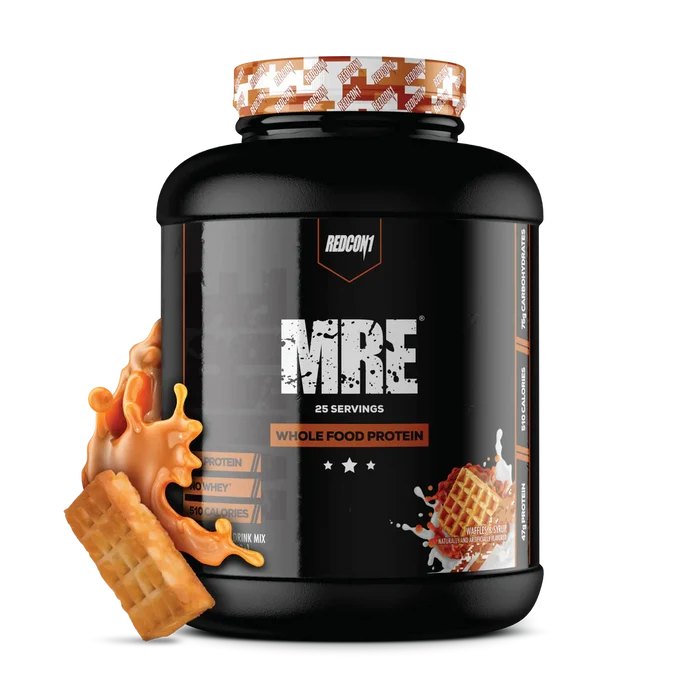
When gaining muscle, protein powder, creatine and a mass gainer can be useful if eating enough calories is the challenge. A mass gainer is convenient, but whole-food meals remain valuable for fibre, micronutrients and appetite control.
When cutting, keep protein high, continue creatine, and use caffeine carefully if it helps training output or appetite management. Fat burners are not a substitute for a calorie deficit. Some may provide a short-term energy lift, but the boring stuff still drives fat loss: food intake, steps, training and sleep.
When performance is the priority, hydration, carbohydrates around demanding sessions, creatine and a well-timed pre-workout can all have a place. The trade-off is individual. A strong pre-workout may help a 6 am session but be a terrible fit for someone training at 7 pm.
Buy for Consistency, Not the Biggest Label
A good stack does not need to be expensive or complicated. At Mr M Supplements, the useful approach is to shop by goal, compare serves and ingredient amounts, then choose products that fit your routine and budget. A protein powder you enjoy drinking and a creatine you remember to take will outperform a premium-looking stack that sits untouched in the cupboard.
Check labels, follow serving directions, and be especially careful if you take prescription medication, have a health condition, or compete in tested sport. Choose products carefully and seek qualified medical advice when your situation calls for it.
Set up your routine around the moments you already have: breakfast, your gym bag, and your post-training meal. Keep it simple enough to repeat, then let weeks of solid training do the heavy lifting.
This guide is general information, not medical advice. Check with your doctor or pharmacist before starting a new supplement, especially if you are pregnant, take medication or have a health condition, and always follow the directions on the label.