Do You Really Need Post Workout Amino Acids?
Learn when post workout amino acids can support recovery, muscle protein synthesis and training consistency, plus how to choose EAA, BCAA or protein daily.

You finish a hard session, your shirt is soaked and your legs are cooked. Now comes the usual question: do you need a shake, an amino drink, or can you just get on with your day? Post workout amino acids can be useful, but the best choice depends far more on your daily protein intake, training goal and what you can realistically stick to than on chasing a five-minute recovery window.
For lifters building muscle, athletes training more than once a day and anyone who struggles to eat after the gym, amino acids are a convenient recovery tool. They are not magic powder. Get the fundamentals right first, then use them to make your nutrition easier and your training more consistent.
What amino acids do after training
Amino acids are the building blocks of protein. Training creates stress in muscle tissue, and dietary protein supplies the amino acids your body uses to repair and adapt to that stress. That adaptation is where stronger lifts, more muscle and better resilience are built over time.
There are 20 amino acids involved in human protein, but nine are essential amino acids, or EAAs. Your body cannot make these in sufficient amounts, so you need them from food or supplementation. A complete protein source, such as whey, dairy, eggs, meat, fish, soy or a well-formulated plant protein blend, provides all nine.
After resistance training, muscle tissue is more responsive to protein. Consuming a quality protein source around your session gives your body the raw materials it needs for muscle protein synthesis. This does not mean your gains disappear if you miss a shake straight after the last set. It means that regularly meeting your protein needs, including a useful dose after training when practical, stacks the odds in your favour.
Post workout amino acids: EAA, BCAA or protein?
The label matters. Not every amino product does the same job, and choosing based on the biggest tub or sweetest flavour can leave you short on what your recovery actually needs.
Essential amino acids
EAA formulas provide all nine essential amino acids. They make more sense than BCAAs when you want a low-calorie, fast-mixing option that directly supports muscle protein synthesis, especially if you train fasted, train in the heat, or cannot have a proper meal for a while.
Leucine is one of the EAAs and plays a key signalling role in starting muscle protein synthesis. But muscle building requires more than a signal. You also need the full range of essential amino acids available to build new tissue. That is why a properly dosed EAA product is generally the more complete amino option.
Branched-chain amino acids
BCAAs contain leucine, isoleucine and valine. They remain popular for sipping during or after a session because they are light, convenient and often taste great in cold water. If they help you drink more fluid during a long workout or replace a sugary soft drink, that has value.
Still, BCAAs are not a complete substitute for dietary protein or EAAs. If your goal is maximum muscle growth, and your overall protein intake is low, adding BCAAs alone will not fix the bigger problem. Think of them as an optional extra for convenience, not the centrepiece of your recovery plan.
Whey protein and other complete proteins
For most gym-goers, a whey protein shake is the simplest post-training option. Whey is naturally rich in essential amino acids and leucine, digests efficiently and makes it easy to get a meaningful protein serve without cooking a full meal in the car park.
Whey protein isolate can suit people who want a leaner option with very low lactose and carbohydrate content. Whey concentrate is often a more budget-friendly everyday choice. If dairy does not agree with you, vegan protein blends built around complementary sources such as pea and rice can provide a complete amino profile too.
A protein shake is not automatically better than food. A chicken and rice bowl, Greek yoghurt with fruit, eggs on toast or a tofu-based meal can do the job just as well. The shake wins when time, appetite or convenience is the issue.
Timing matters, but daily intake matters more
The old rule that you must consume protein within 30 minutes of training is too rigid. Your body does not switch recovery off because you spent half an hour driving home. If you had a protein-rich meal before your session, you have already got amino acids circulating during and after your workout.
For most people, the smart move is to have protein within a few hours either side of training and spread quality protein across the day. A practical target for active adults focused on building or retaining muscle is often around 1.6 to 2.2 grams of protein per kilogram of body weight daily. Individual needs can vary with body size, calorie intake, training volume, age and goal.
If you train first thing and have not eaten since dinner, post-workout protein or EAAs become more useful because you have gone a long stretch without amino acids. If you train after a substantial lunch and dinner is waiting at home, there is less urgency. You can still have a shake if it is convenient, but it is not compulsory.
For endurance training, field sports and long conditioning sessions, recovery is not just about amino acids. Carbohydrates, fluids, electrolytes and total calories matter too. A low-calorie EAA drink may be ideal after a quick gym session, while a protein shake plus carbohydrate source may better suit a demanding two-hour ride, long run or double-training day.
How much should you take?
A useful post-workout protein serve for many people lands around 20 to 40 grams of high-quality protein. Larger athletes, people in a calorie deficit and those eating plant-based protein may benefit from the higher end. Check the actual protein per serve rather than assuming every scoop delivers the same amount.
For EAA products, follow the label and look for a transparent amino profile rather than a vague proprietary blend. A formula that lists all essential amino acids gives you a clearer picture of what you are paying for. With BCAAs, the ratio on the front is less important than whether the product fits into an already solid protein plan.
More is not always better. Huge doses of amino products will not compensate for poor sleep, inconsistent training or a diet built mostly around snack food. Spend your supplement budget where it makes the biggest difference first: enough food, enough protein, creatine monohydrate if it suits your goals, hydration, and a recovery routine you can repeat week after week.
Choosing the right option for your goal
If muscle gain is the priority, start with enough daily calories and protein. A whey or vegan protein shake after training is usually the most cost-effective choice because it delivers a full amino profile. Add an EAA product if you often train away from home, cannot stomach shakes during a session or need a lighter option between meals.
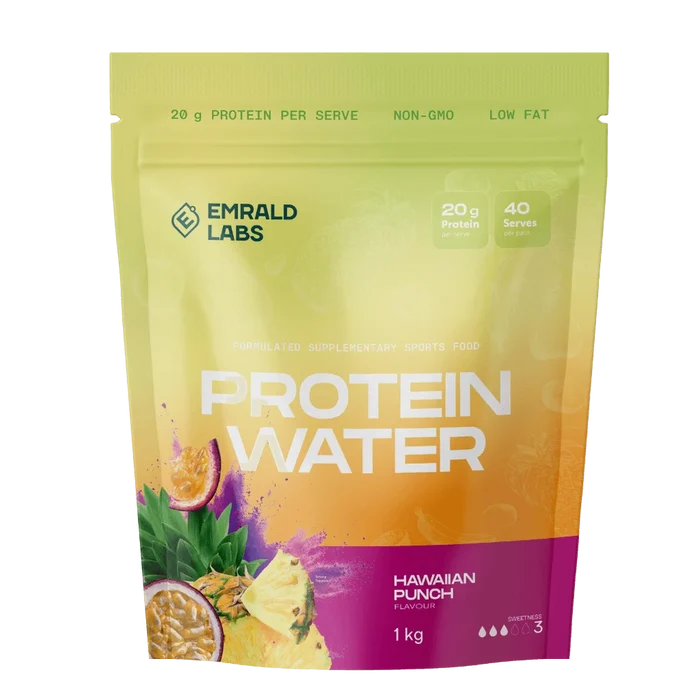
If you are cutting for fat loss, protein becomes even more valuable for helping retain lean mass while calories are lower. A lean whey isolate, clear protein-style drink or EAA formula can make hitting your target easier without adding many calories. Just remember that the calorie deficit drives fat loss, while protein and resistance training help protect the muscle you have worked for.
If performance and endurance are your focus, consider the whole recovery picture. Amino acids may support your protein intake, but hydration and carbohydrate replacement can have a more immediate impact on how ready you feel for the next session. Look for a solution that matches the duration, sweat loss and intensity of your training.
If you simply want to recover well from three or four weekly gym sessions, do not overcomplicate it. Have a protein-rich meal or shake after training when it suits your schedule, eat enough across the day and keep turning up.
A few practical checks before you buy
Choose a format you will actually use. Powdered EAAs are easy to sip in a shaker. Ready-to-drink options suit busy days. Protein powder is excellent value per serve, while whole-food meals bring extra vitamins, minerals and satisfaction.
Check for dietary needs such as lactose intolerance, vegan ingredients, caffeine content in combined formulas and any allergens. Amino acids are not a replacement for medical advice, particularly if you are pregnant, breastfeeding, have kidney disease or use medication that affects your health or nutrition. Speak with a qualified health professional first in those situations.
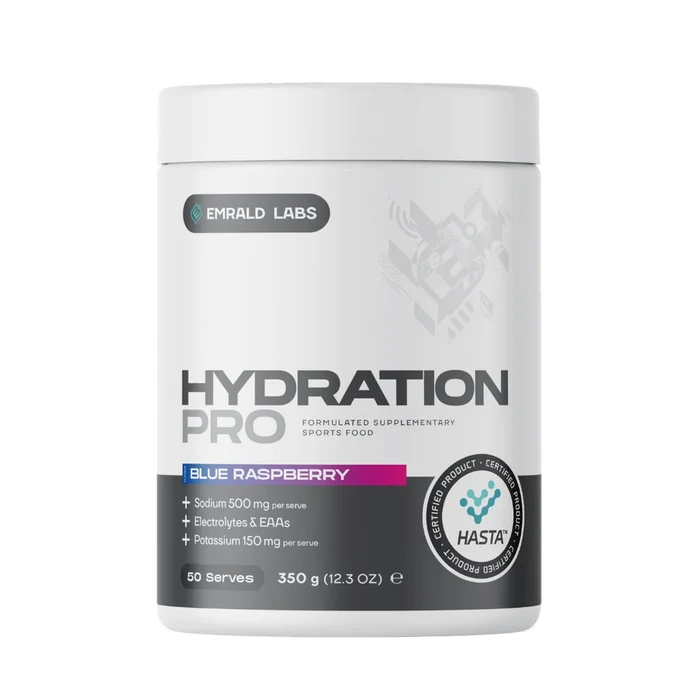
At Mr M Supplements, the easiest way to shop is by the gap you are trying to solve: a complete protein for everyday recovery, EAAs for a light and convenient option, or hydration support for harder, sweatier sessions. You do not need every product in the cupboard. You need the one that helps you hit your plan without making life harder.
The best post-workout choice is the one waiting for you after the sessions that count: the early starts, the late finishes and the days motivation is low but you train anyway. Make recovery simple enough to repeat, and let your results build from there.
This guide is general information, not medical advice. Check with your doctor or pharmacist before starting a new supplement, especially if you are pregnant, take medication or have a health condition, and always follow the directions on the label.