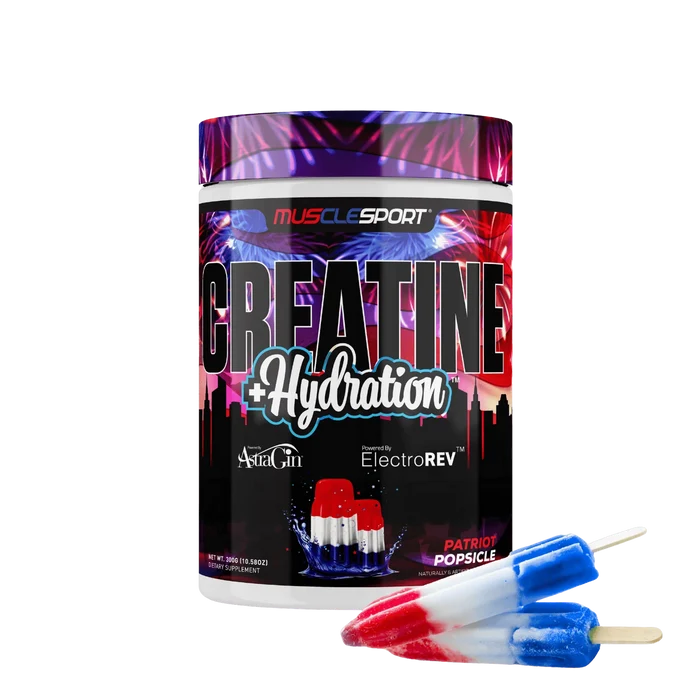
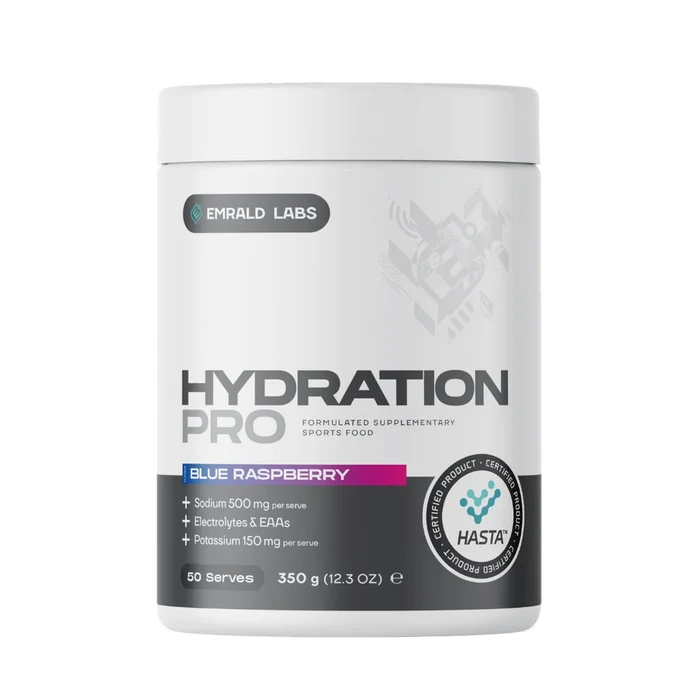
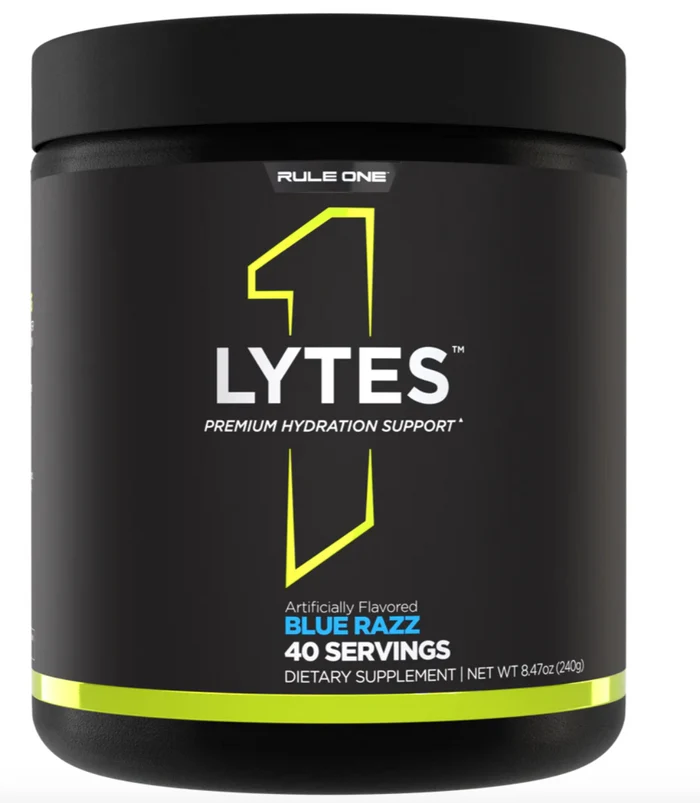
Electrolyte Drinks Versus Sports Drinks
Electrolyte drinks versus sports drinks: learn when to choose each for training, recovery and hot Australian days without buying more than you need daily.

You finish a hard summer session, your shirt is soaked and your legs are starting to feel flat. The drink you grab next can make a difference - but electrolyte drinks versus sports drinks is not a simple battle of one being better than the other. The right choice depends on how long you trained, how hard you worked, the weather and what you need to do afterwards.
For plenty of gym sessions, plain water is still the right call. But when sweat loss climbs, a targeted hydration product or sports drink can help you stay on pace, recover fluids more effectively and avoid finishing your session completely cooked.
Electrolyte drinks versus sports drinks: the real difference
Electrolytes are minerals that carry an electrical charge in the body. Sodium is the main player lost through sweat, while potassium, magnesium and calcium also support normal muscle and nerve function. An electrolyte drink is designed primarily to replace fluid and these minerals, especially sodium.
A sports drink usually contains electrolytes too, but it also contains carbohydrate, often in the form of sugar or fast-digesting carbs. That extra carbohydrate is there to provide fuel during prolonged exercise, not just hydration. Think of an electrolyte drink as hydration support first. Think of a sports drink as hydration plus energy.
The labels can overlap, which is where shoppers get tripped up. Some electrolyte powders include a small amount of carbohydrate for taste or absorption. Some sports drinks are lower in sugar than traditional formulas. Rather than relying on the front label, check the nutrition panel: look at sodium per serve and total carbohydrate per serve.
When an electrolyte drink makes sense
Electrolyte products earn their place when you are losing a lot of sweat but do not necessarily need extra calories. That might be a sweaty weights workout, hot yoga, a long shift on your feet, a hike, or a summer day spent moving between the gym, work and errands.
They can also be a smart option for lifters in a calorie deficit. If you are cutting and training early, an electrolyte drink can support fluid intake and replace sodium without turning your water bottle into a high-calorie drink. That is useful when every part of your nutrition plan is accounted for.
Sodium matters most for hydration because it helps your body retain the fluid you drink. If you are a salty sweater - you may notice white marks on your clothes or skin after training - a formula with meaningful sodium can be more useful than a lightly flavoured drink with a token amount of minerals.
Electrolytes are not a magic fix for fatigue, cramps or poor performance, though. Cramping can come from pacing, conditioning, heat, under-fuelling and accumulated fatigue. If your training, food intake and recovery are off, adding a hydration tablet alone will not solve the problem.
Best times to use electrolytes
Use them before or during training if you know you sweat heavily, train in hot conditions or struggle to drink enough plain water. They can also be handy after a big session when you need to rehydrate before heading back to work, driving home or training again later.
For a standard 45-minute gym workout in an air-conditioned space, water is generally enough. Save the specialised product for the sessions and conditions where it actually brings value.
When a sports drink is the better play
Sports drinks come into their own when exercise lasts long enough to noticeably drain carbohydrate stores. Endurance training, long rides, field sports, tournaments, hard conditioning blocks and multiple sessions in one day are the obvious examples.
During longer, demanding exercise, carbohydrate can help maintain blood glucose and provide accessible fuel for working muscles. This is particularly relevant once you go beyond roughly 60 to 90 minutes of continuous hard work, although the exact point depends on intensity, your body size, how well fuelled you were beforehand and the sport itself.
A sports drink can be practical when eating solid food is awkward. Sipping carbohydrate and electrolytes between drills, during a long run or on the bike is often easier than forcing down a snack when your heart rate is up. The fluid also helps with hydration, so you are handling two needs at once.
That does not mean a sports drink is automatically the best post-workout choice. After a normal gym session, you may be better served by water plus a proper meal, or a protein shake and a carb source that suits your daily targets. Liquid calories count, even when they come in a performance-focused bottle.
Match the drink to the session
A 90-minute leg session with big rests is different from 90 minutes of continuous running in 32-degree heat. The clock matters, but sweat rate and intensity matter just as much. Ask whether you need fluids only, fluids plus sodium, or fluids plus sodium and fuel.
If you trained hard after work and have dinner waiting at home, an electrolyte drink and a balanced meal may be enough. If you are midway through a long ride with another hour to go, a sports drink has a much stronger case.
What to look for on the label
Start with sodium. It is the electrolyte most relevant to replacing sweat losses, particularly in heat. There is no single number that fits every athlete, but a product marketed for serious hydration should provide more than a trace amount per serve. The more you sweat and the saltier your sweat, the more attention sodium deserves.
Next, look at carbohydrate. If you want hydration without many calories, choose a low- or no-sugar electrolyte product. If you need intra-workout fuel, a sports drink with carbohydrate may be exactly what your session calls for. Do not let the word “sugar” make the decision for you - fast carbohydrate is useful in the right context and unnecessary in the wrong one.
Also check serving directions. Some powders are designed for a small bottle, while others are intended for 700 mL to a litre of water. Mixing a drink too strong can make it overly sweet or hard on the stomach. Mixing it too weak may leave you with less fuel and sodium than planned.
Taste is not a throwaway detail either. The best hydration formula is one you will actually drink consistently. If a flavour helps you finish your bottle during tough sessions, that has real value.
Avoid the common hydration mistakes
The biggest mistake is treating every workout as an endurance event. High-sugar sports drinks can add plenty of calories across a week if you use them for casual sessions that water would cover.
The opposite mistake is trying to out-tough the heat with only a few mouthfuls of water. If you regularly finish training with headaches, unusual fatigue, dizziness or a big drop in body weight, review your hydration plan, training conditions and food intake. Persistent or severe symptoms need medical advice, especially if you have a health condition or take medication that affects fluid or electrolyte balance.
Another common issue is forgetting your pre-session habits. Starting a workout dehydrated makes the job harder. Drink regularly across the day, arrive with a decent meal in you when possible, and use your bottle as support rather than a last-minute rescue plan.
Build a plan that suits your goal
For most gym-goers, a simple approach works best. Water covers easy and moderate sessions. Add electrolytes when heat, sweat loss or longer training makes hydration harder. Bring in a sports drink when the session is prolonged, highly demanding or part of a day where you need to perform again.
At Mr M Supplements, the useful choice is not the most complicated formula on the shelf. It is the product that matches your training load, nutrition target and lifestyle. A strength athlete leaning out may favour low-calorie electrolytes. A weekend footballer or endurance athlete may get more from carbs and electrolytes together.
Your training should dictate what goes in the bottle. Keep water close, use electrolytes when sweat calls for them, and save sports drinks for the sessions that genuinely demand extra fuel.
This guide is general information, not medical advice. Check with your doctor or pharmacist before starting a new supplement, especially if you are pregnant, take medication or have a health condition, and always follow the directions on the label.