Fat Burner Review: What Actually Helps You Cut
Our fat burner review explains ingredients, stimulants, realistic results and how to choose a formula that suits your training, appetite and goals safely.

A good fat burner review should do more than tell you whether a tub tastes good or has a flashy label. If you are training hard, tracking food and trying to lean up, you want to know what a formula can realistically add to the process - and what it cannot do.
Fat burners can support energy, focus, appetite control and daily activity when they are chosen well. They are not a shortcut around calorie intake, protein, sleep or consistent training. Get those foundations moving first, then choose a formula that matches how you train, your stimulant tolerance and your actual goal.
Fat Burner Review: Start With Your Goal
“Fat burner” is a broad category. One person wants more drive for early-morning cardio. Another wants help managing afternoon snack cravings. Someone else needs a stimulant-free option because they train after work and do not want caffeine affecting sleep.
That is why the best product is rarely the strongest one on the shelf. It is the one you can use consistently without feeling wired, flat or unable to sleep.
If your main challenge is low energy during a calorie deficit, a stimulant-based formula may suit you. These commonly use caffeine alongside ingredients aimed at alertness and training intensity. If hunger is the issue, look for formulas designed around appetite support and sensible routines such as high-protein meals, fibre and plenty of water. If you already drink several coffees a day, a non-stimulant fat burner may be the smarter call.
Your target also matters. A competitor close to a show, a busy parent returning to the gym and a lifter looking to drop a few kilos each need different levels of structure, food intake and supplementation. Do not buy for someone else’s cut.
What Ingredients Are Worth Checking?
The front label can be loud. The ingredient panel is where the useful information lives. Look for transparent doses rather than a vague proprietary blend that makes it hard to know what you are taking.
Caffeine and other energy ingredients
Caffeine is one of the most common inclusions because it can increase alertness and make training feel more switched on. That can be genuinely useful when calories are lower and motivation is not at its best. But more caffeine is not automatically better.
Check the caffeine amount per serve, then add up coffee, energy drinks, pre-workout and other supplements used that day. A fat burner taken at 4 pm can still interfere with sleep for some people, and poor sleep can make appetite, recovery and training performance harder to manage. Start with a half serve if the label allows and assess your response before going all in.
You may also see green tea extract, guarana, theobromine or similar compounds. These can contribute to the overall stimulant effect, so do not judge a formula by its caffeine number alone.
Thermogenic ingredients
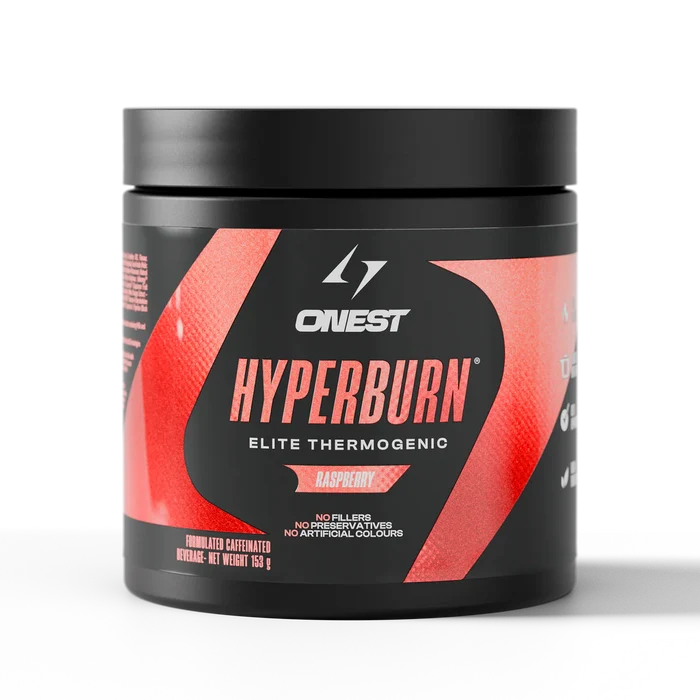
Thermogenic formulas often include green tea extract, capsicum or grains of paradise. These ingredients are designed to support thermogenesis, which is the body’s heat production. The effect is generally modest, so keep expectations realistic. Think of them as a small edge within a disciplined plan, not a replacement for your steps, sessions or meal prep.
Some people enjoy the warming sensation from these formulas. Others find it uncomfortable, especially on an empty stomach. If you have a sensitive gut, begin cautiously and avoid taking a new product right before a big training session or long drive.
Focus and mood support
Ingredients such as tyrosine, choline or plant extracts may be included to support focus. This can be valuable during a cut, when decision fatigue is real and the temptation to skip a session can be strong. A formula that helps you stay sharp at work and focused in the gym may be more useful than one that simply feels intense for 30 minutes.
Appetite support
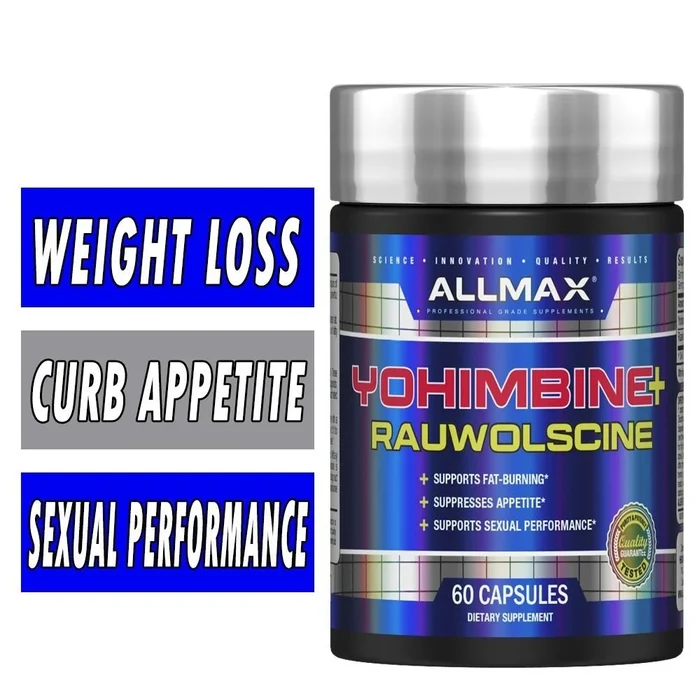
Appetite-focused fat burners can be a practical choice for people who do not need more stimulants. However, no capsule makes a low-protein, low-fibre diet easy to sustain. Build meals around protein, fruit and veg, wholegrains or other fibre sources, and enough food volume to stay satisfied. The supplement should support the plan, not carry it.
Stimulant or Non-Stimulant?
This is the biggest buying decision for most people. A stimulant fat burner is often best suited to morning trainers, experienced caffeine users and people who want extra energy for cardio or weights. It can be convenient when you are not already using pre-workout.
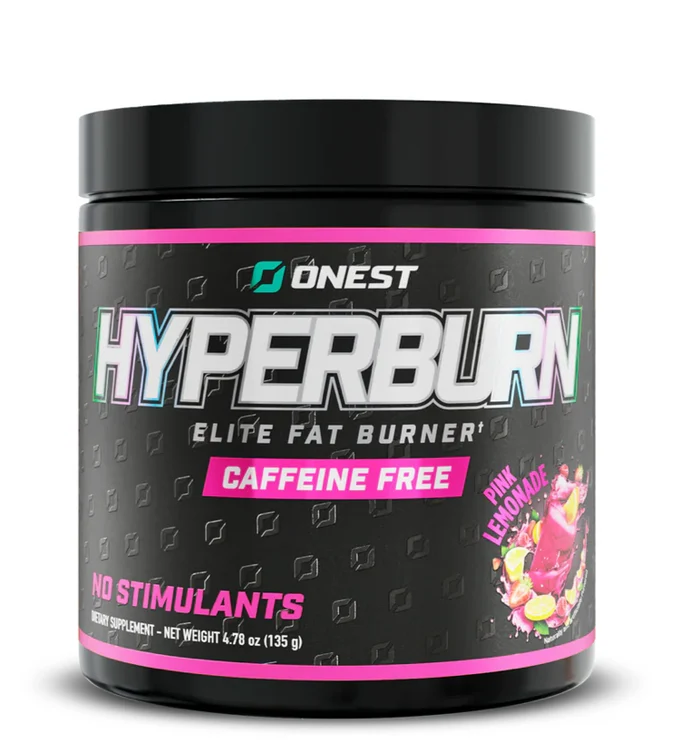
A non-stimulant option is often better for late trainers, people sensitive to caffeine, anyone already using a caffeinated pre-workout, or those who simply want to keep their sleep routine protected. It may feel less dramatic, but that is not a bad thing. Consistency beats the cycle of going too hard for a week and then dropping off because you are exhausted.
Avoid stacking multiple stimulant products without checking the total dose. A strong pre-workout, coffee and a fat burner can add up quickly. If you are choosing between them, pick the product that solves the biggest problem in your routine rather than doubling up.
How to Read a Fat Burner Label Like a Pro
A quick label check can save you from buying something that does not suit your routine. Before adding a formula to your stack, look at four things:
- Serving size and stimulant dose: Check whether the listed amounts are for one capsule, two capsules or a full scoop.
- Ingredient transparency: Prefer clearly stated doses so you can compare formulas properly.
- Directions for use: Some products are designed for morning use, while others should not be taken close to bedtime.
- Warnings and suitability: Read these every time, particularly if you have a health condition or use medication.
The Results You Can Expect
The most honest fat burner review is this: results come from the full system. A supplement may help you train with more energy, walk more, manage cravings or stay mentally switched on. Those things can make adherence easier, and adherence is where body composition changes happen.
Do not expect visible changes because you took a few capsules for a week. A better way to assess whether your plan is working is to track body weight trends, waist measurements, gym performance, sleep, hunger and energy over several weeks. If your strength is crashing, you are constantly hungry and sleep is poor, pushing harder is not necessarily the answer. Your calorie deficit may be too aggressive, or your recovery may need attention.
Protein is especially worth protecting while cutting. Keep your training progressive, prioritise protein-rich meals and do not slash carbs so hard that every session becomes a grind. For many gym-goers, a fat burner works best as part of a straightforward stack with protein powder for convenient intake, creatine for training support and hydration for hard sessions.
Who Should Skip Fat Burners?
Fat burners are not suitable for everyone. Avoid stimulant formulas if you are pregnant or breastfeeding, and speak with a qualified health professional before use if you have a medical condition, are sensitive to stimulants or take prescription medication. If you experience jitters, anxiety, headaches, nausea, heart palpitations or disrupted sleep, stop using the product and seek appropriate advice.
Under-18s should not use these products unless advised by a qualified health professional. The same applies if you have a history of heart issues, high blood pressure or concerns around caffeine intake. There is no prize for forcing a supplement that clearly does not agree with you.
Make Your Choice Match Your Routine
The best fat burner is the one that supports the habits you can repeat: quality sessions, enough daily movement, protein-led meals and decent sleep. Choose a transparent formula, be sensible with stimulants and give it enough time to judge alongside real progress data.
If your routine is already dialled in, the right product can be a handy extra gear for your cut. Start smart, stay consistent and let your training do the talking.
This guide is general information, not medical advice. Check with your doctor or pharmacist before starting a new supplement, especially if you are pregnant, take medication or have a health condition, and always follow the directions on the label.