Can Fat Burners Suppress Appetite? What to Know
Can fat burners suppress appetite? Learn what actually curbs hunger, which ingredients may help and how to use them safely for fat-loss goals in Australia.

A 3 pm snack attack can derail an otherwise solid day of training, meal prep and calorie tracking. So, can fat burners suppress appetite? Some can take the edge off hunger for some people, but they are not a switch that turns off your appetite - and the result depends heavily on the formula, your diet, sleep, training load and stimulant tolerance.
For anyone chasing a leaner physique, appetite management matters. A calorie deficit is still the driver of fat loss, but sticking to one is much easier when you are not thinking about food all day. The right fat burner may support that process. The wrong approach can leave you jittery, under-fuelled for training, or eating back the calories later.
How fat burners may affect hunger
Most fat burners fall into two broad camps: stimulant-based formulas and non-stimulant formulas. Neither category guarantees appetite suppression, but certain ingredients can influence hunger, energy or cravings in different ways.
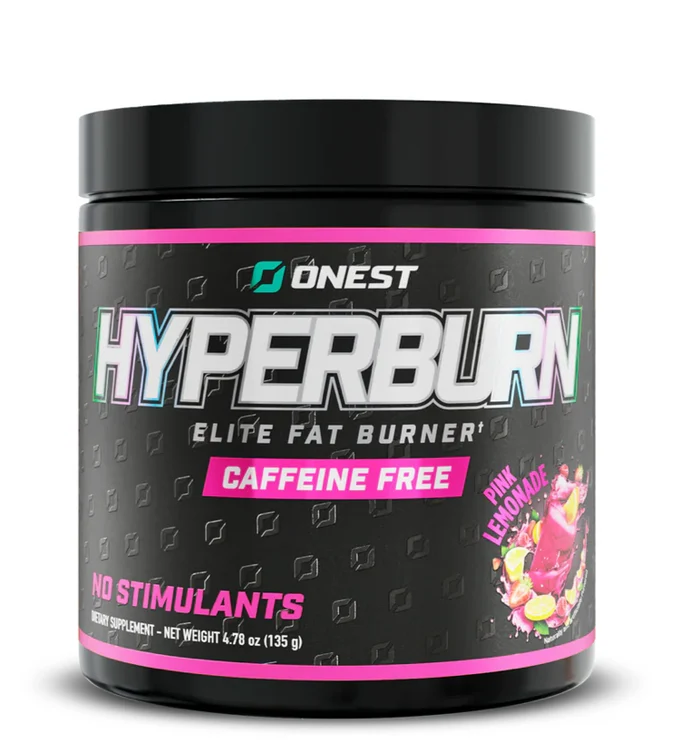
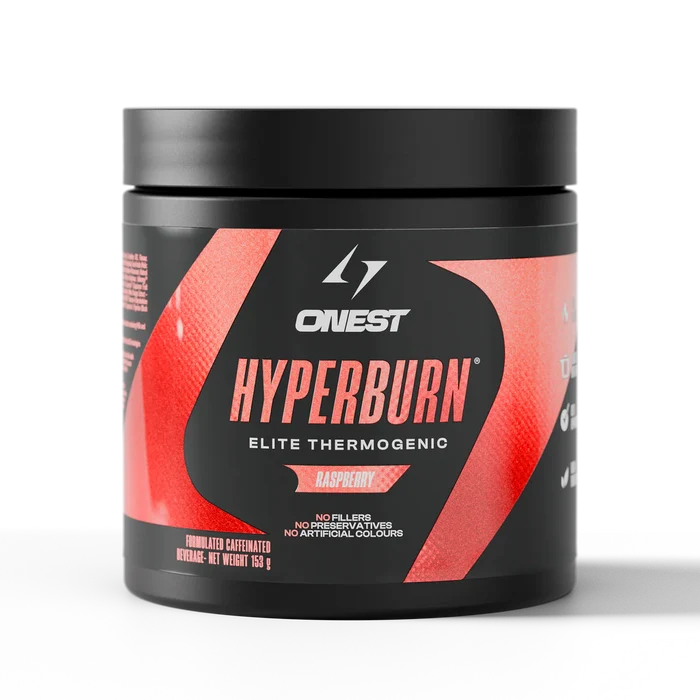
Stimulant fat burners commonly use caffeine, sometimes alongside green tea extract, guarana or other energising compounds. Caffeine can temporarily reduce the feeling of hunger in some people, particularly when taken before training or earlier in the day. It may also make a diet feel more manageable by lifting energy when calories are lower.
That said, caffeine is not a reliable appetite suppressant for everyone. Some people feel less hungry initially, then get a rebound appetite once the effects wear off. Others find that poor sleep from late-day stimulants makes hunger and cravings worse the next day. If your fat burner disrupts sleep, it is working against your body-composition goal.
Non-stimulant options take a different route. They may include fibre, amino acids, botanical extracts or ingredients aimed at energy metabolism. Formulas containing a meaningful amount of soluble fibre can help you feel fuller because fibre absorbs water and slows digestion. However, many capsules do not contain enough fibre to make a major difference on their own.
Ingredients worth understanding
A label can look impressive without containing the ingredients or doses that match your goal. Rather than choosing based on the biggest claims, consider what each ingredient is realistically likely to do.
Caffeine
Caffeine is the most common appetite-related ingredient in fat burners. Its main strength is not dramatic fat loss - it is alertness, training drive and a possible short-term reduction in hunger. That can be useful before a morning gym session or during an afternoon energy dip.
Start conservatively if you do not regularly use caffeine. Account for coffee, pre-workout, energy drinks and tea across the whole day, not just the serve of fat burner. More is not better when it leads to shaky hands, anxiety, headaches, a racing heart or restless sleep.
Green tea extract
Green tea extract is often paired with caffeine. It contains catechins, including EGCG, which are studied for their potential small effects on energy expenditure and fat metabolism. For appetite, the impact is usually subtle. Think of it as a supporting ingredient, not a replacement for high-protein meals and a well-planned deficit.
Fibre-based ingredients
Ingredients such as glucomannan are more directly connected to fullness than classic thermogenic ingredients. When taken with enough water, soluble fibre expands and can help reduce the urge to keep eating. The trade-off is that fibre can cause bloating, gas or stomach discomfort if you jump in too quickly.
Never take fibre products dry, and do not use them if you have swallowing difficulties. Keeping fluid intake up is non-negotiable, especially when you are training hard or sweating through an Australian summer.
Chromium, carnitine and botanical blends
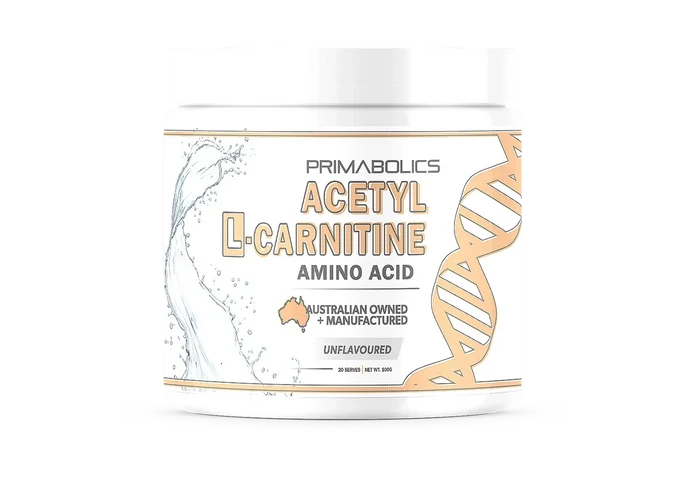
These appear in plenty of fat-loss formulas, often with claims around cravings, carbohydrate metabolism or fat transport. Results vary, and the evidence for meaningful appetite suppression is generally less convincing than the marketing can make it sound.
That does not make every formula useless. It means your expectations should be grounded. If a product helps you feel energised, stay consistent with training and avoid random snacking, it may have a place in your routine. But it should not be the centrepiece of your plan.
Appetite suppression is not always the win it sounds like
Less hunger can help when you are carrying excess body fat and struggling to maintain a sensible calorie deficit. But completely ignoring hunger is not a performance strategy. If you train regularly, you still need enough protein, carbohydrates and overall energy to recover, build or retain muscle, and show up strong for the next session.
A fat burner that makes you skip breakfast may sound handy, but assess what happens later. Are you eating a balanced lunch? Are your sessions still productive? Are you raiding the pantry at night because you barely ate all day? Sustainable fat loss is about controlling hunger, not white-knuckling it.
This matters even more during a hard training block. Your appetite may rise because your body genuinely needs more fuel. In that situation, the answer may be better meal timing or a smaller deficit, not a stronger stimulant.
How to use a fat burner without sabotaging your results
If you decide a fat burner suits your goal, use it as a targeted tool. Take a stimulant formula early enough that it will not affect sleep, and follow the label directions rather than stacking multiple high-caffeine products. Avoid treating it as permission to eat less than your body can handle.
Build your meals around foods that do the heavy lifting for fullness: lean protein, vegetables, fruit, legumes, wholegrains and adequate fluids. A protein shake can also be a practical option when work, commuting or school runs make a proper meal difficult, but it is most satisfying when paired with fibre-rich foods rather than used as your entire nutrition plan.
For many gym-goers, the simplest appetite-management setup looks like a protein-focused breakfast, filling meals planned around training, sensible caffeine timing and a small calorie deficit. A fat burner can fit on top of that foundation if it helps, but the foundation comes first.
Track your response for two weeks. Pay attention to hunger, cravings, sleep quality, mood, digestion, training performance and body weight trends. If you are constantly exhausted, irritable or binge-prone, adjust the plan. A product that looks good on the label is not the right product if it makes adherence harder.
Who should be cautious with fat burners?
Stimulant fat burners are not for everyone. Speak with a doctor or qualified health professional before using one if you are pregnant or breastfeeding, under 18, sensitive to caffeine, taking medication, or managing heart, blood pressure, anxiety, thyroid or other health concerns.
Also be cautious with proprietary blends that do not clearly state individual ingredient amounts. Transparent labels make it far easier to understand what you are taking and avoid doubling up with your coffee or pre-workout.
If you are new to the category, a lower-stimulant or stimulant-free formula may be the smarter starting point. There is no prize for taking the strongest product. The best choice is the one you can use safely, tolerate well and pair with habits that actually move the needle.
The practical answer for fat-loss goals
Can fat burners suppress appetite? Yes, they can, particularly formulas containing caffeine or effective fibre ingredients. But the effect is usually modest and individual, not magic. Their biggest value is often making it easier to follow the basics for long enough to see results.
Choose a formula that matches your stimulant tolerance, read the label properly, and do not let a fat burner replace real meals, recovery or sleep. At Mr M Supplements, the smartest fat-loss purchase is the one that supports your routine - then lets your training, nutrition and consistency do the work.
This guide is general information, not medical advice. Check with your doctor or pharmacist before starting a new supplement, especially if you are pregnant, take medication or have a health condition, and always follow the directions on the label.