Creatine Loading Guide for Faster Results
Use this creatine loading guide to understand doses, timing, side effects and whether loading is right for your training goals and gym routine today.

A creatine loading guide matters when you want the benefits of creatine sooner, not weeks from now. Whether you are pushing for extra reps, building size, or training hard for a sport, loading can raise your muscle creatine stores quickly. It is optional, though. The best approach is the one you can follow consistently without upsetting your stomach or making your routine harder than it needs to be.
What creatine loading actually does
Creatine is stored in your muscles and helps recycle energy during short, high-intensity efforts. Think heavy sets, sprint intervals, explosive field sport movements and repeated hard efforts. When your stores are higher, you may be able to produce a little more output, recover better between efforts and build more training volume over time.
A loading phase does not make creatine work differently. It simply gets your muscle stores close to saturation faster. Without loading, taking a standard daily serve of creatine monohydrate will still get you there. It just usually takes around three to four weeks rather than roughly one week.
For many gym-goers, that makes loading useful at the start of a new training block, before a competition, or when they want to feel ready for a hard push in the gym. If you are happy to play the long game, skip it and take your daily maintenance dose instead.
Creatine loading guide: the standard protocol
The well-tested loading protocol is 20 grams of creatine monohydrate per day for five to seven days. Rather than taking it all at once, split it into four 5 g serves across the day. This is easier on the gut and gives you a simple routine to stick to.
A practical day might look like this:
- 5 g with breakfast
- 5 g around lunch
- 5 g after training or with an afternoon meal
- 5 g with dinner or an evening snack
After the loading phase, move to a 3 to 5 g daily maintenance dose. For most people, 5 g per day is straightforward, effective and easy to measure. Larger athletes with more muscle mass may prefer the upper end of that range. You do not need to keep loading every month. Once your stores are full, your maintenance dose does the job.
Should you load based on body weight?
You can use a body-weight approach if you prefer more precision. The common guideline is around 0.3 g per kilogram of body weight per day for five to seven days, followed by 0.03 g per kilogram per day for maintenance.
For example, an 80 kg lifter would take about 24 g daily during loading, then around 2.4 g daily as a body-weight-based maintenance dose. In real life, most active people simply use 20 g during loading and 3 to 5 g afterwards. It is accurate enough, convenient and far less fiddly.
If you are new to supplements, do not mistake a bigger dose for a better result. Once muscle creatine stores are saturated, extra creatine will not keep producing extra benefits. Consistency beats overdoing it.
The easiest way to take creatine
Creatine monohydrate is the go-to choice for a reason. It is extensively researched, effective and generally the best value per serve. You do not need an expensive blend to load successfully.
Mix your dose in water, juice, a protein shake or your usual post-training drink. Creatine monohydrate may not fully dissolve, especially in cold water, so give it a good shake and drink it soon after mixing. If there is a little powder left in the bottom, add another splash of water and finish it.
Timing is far less important than taking it every day. Having one serve after training can be a handy habit, but there is no need to stress if your session is early, late, or you train on an empty stomach. Attach each serve to meals if that helps you remember.
Taking creatine with food can also reduce the chance of stomach discomfort. A meal containing carbohydrate and protein is an easy option, but you do not need to chase a perfect nutrient combination for creatine to work.
What to expect in the first week
The most noticeable early change is often a small increase on the scales. This is usually water being drawn into muscle cells, not body fat. For lifters chasing muscle gain and performance, that fuller look can be a welcome bonus. For athletes in a weight-category sport, it is something to factor in before loading close to a weigh-in.
You might also notice better repeat performance in the gym after your stores build up. That could mean getting an extra rep on a hard set, holding quality across repeated sprints, or recovering more strongly between sets. Creatine is not a stimulant, so do not expect a sudden buzz or a huge first-session jump.
Its real value shows up when you keep training with intent. More quality work over weeks and months can support strength, muscle gain and performance progress. Creatine helps the work you are already putting in count.
Side effects and how to avoid them
Most healthy adults tolerate creatine monohydrate well at recommended doses. The main issue during a loading phase is gastrointestinal discomfort, including bloating, loose stools or cramps. This is usually a dosing problem, not a sign that creatine is unsuitable.
If your stomach does not love four 5 g serves, reduce each serve to 3 to 4 g and spread them further apart. You can extend the loading phase slightly, or skip loading entirely and take 3 to 5 g daily. There is no prize for forcing down a protocol that leaves you feeling ordinary.
Stay normally hydrated, particularly if you train in Australian heat, sweat heavily, or play outdoor sport. Creatine does not replace electrolytes or good hydration habits. Keep fluids up, eat enough food around demanding training, and use a hydration product when your session and conditions call for it.
Creatine is not generally linked with hair loss in healthy people, despite a persistent gym rumour. Research has not established that supplemental creatine causes hair loss. If you have a medical condition, kidney concerns, are pregnant or breastfeeding, or use prescription medication, speak with your doctor or an accredited sports dietitian before adding supplements.
When skipping the loading phase makes sense
Loading is a tool, not a requirement. Skip it if you have a sensitive gut, dislike taking multiple serves, are not in a rush, or simply want the easiest possible routine. Take 3 to 5 g of creatine monohydrate every day and expect saturation over several weeks.
This option suits plenty of people. It costs less upfront, creates fewer chances for digestive issues, and still delivers the same end point when you stay consistent. If you missed a day during maintenance, do not double up in panic. Resume your normal dose the next day.
There is also no need to cycle creatine. You can take a maintenance dose year-round if it fits your goals and you tolerate it well. Save the complicated supplement tactics for things that genuinely need them.
Make it fit your training, not the other way around
Creatine loading is most useful when it supports a clear goal: a new strength block, pre-season conditioning, a return to training, or a focused muscle-building phase. Pair it with progressive training, enough protein, quality sleep and sufficient calories for your goal. No powder can cover for a program you are not following.
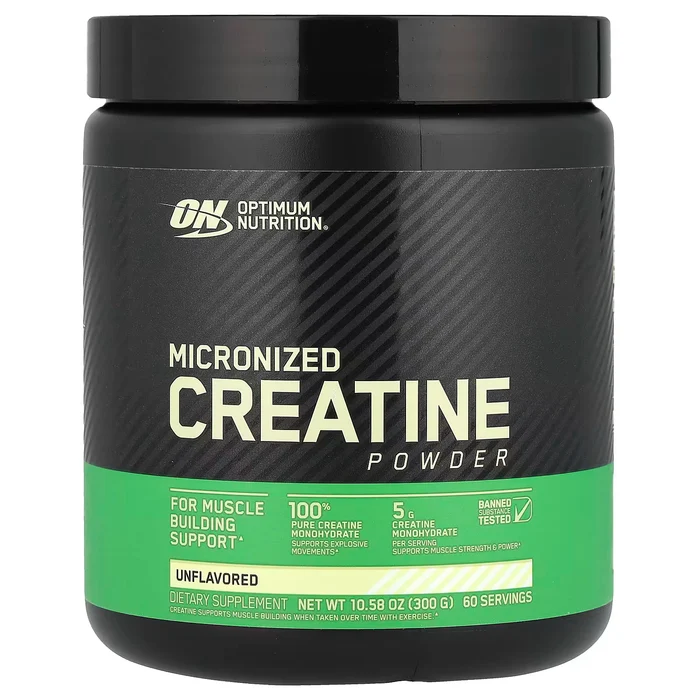
Choose a quality creatine monohydrate, keep a scoop where you will see it, and make the first week easy by splitting doses around meals. Mr M Supplements has creatine options for lifters who want a straightforward, value-focused way to support harder training.
Start with the protocol that suits your body and schedule, then put your attention back where it belongs: showing up, adding quality reps, and giving yourself enough time for the results to build.
This guide is general information, not medical advice. Check with your doctor or pharmacist before starting a new supplement, especially if you are pregnant, take medication or have a health condition, and always follow the directions on the label.