Whey Isolate Review: Is It Worth the Price?
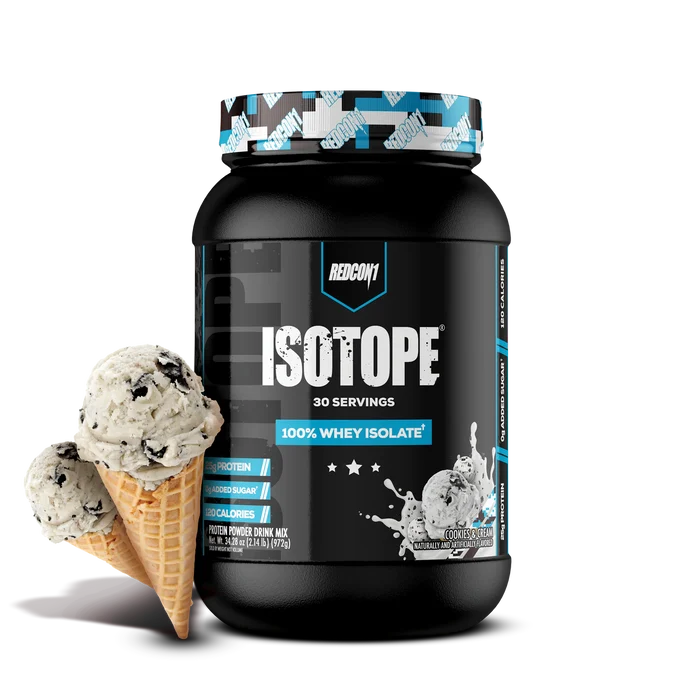
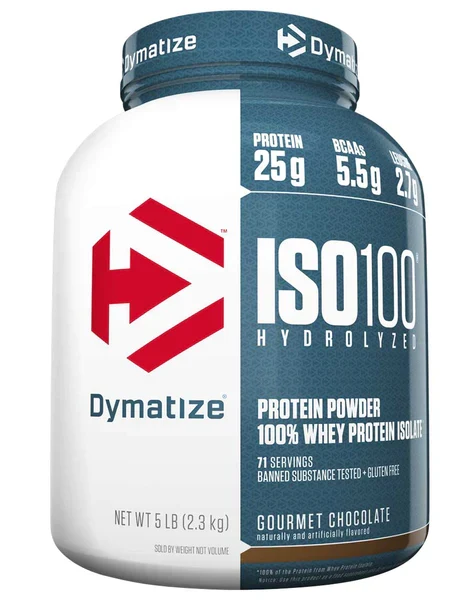
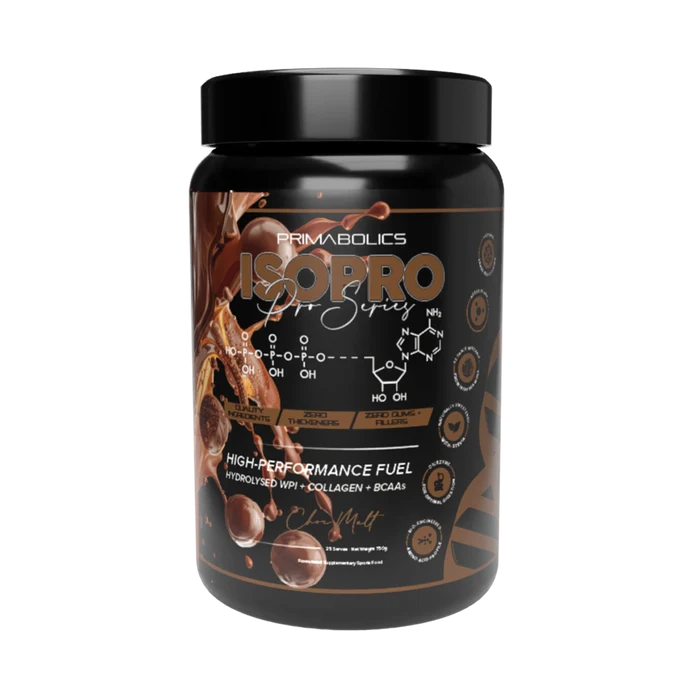
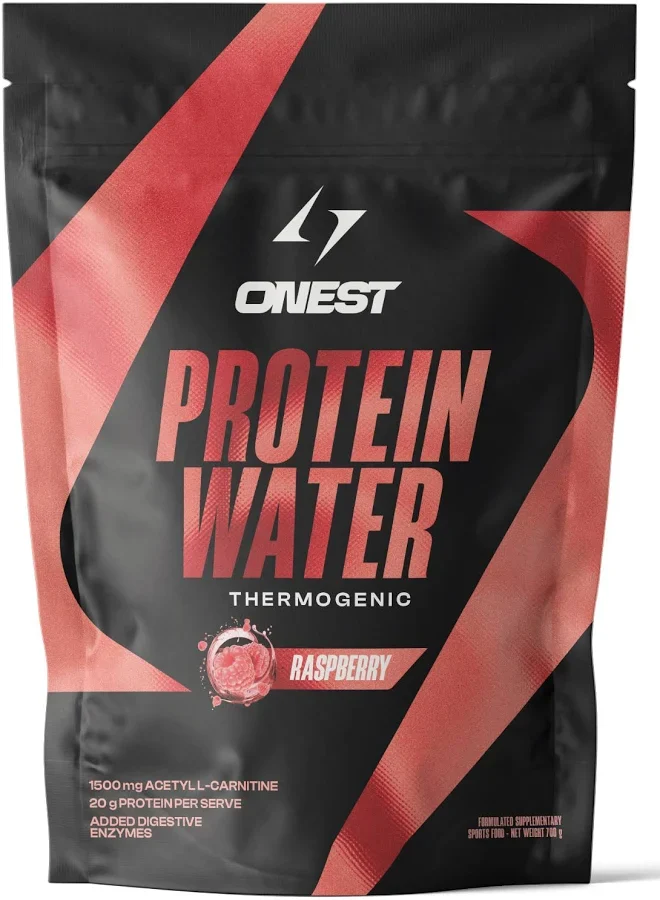
Our whey isolate review explains protein purity, taste, digestion, value and label checks so you can choose the right powder for your training goals now.

You have finished a hard session, your shaker is ready, and the protein aisle is full of tubs claiming lean gains, fast absorption and great flavour. This whey isolate review cuts through the hype: whey isolate can be an excellent protein choice, but it is not automatically the best buy for every gym-goer. The right pick comes down to your protein target, digestion, budget and how you actually use it.
What Is Whey Isolate?
Whey is a milk-derived protein containing all nine essential amino acids. It is naturally rich in leucine, an amino acid that helps trigger muscle protein synthesis after training and across the day. Whey protein isolate is processed further than standard whey concentrate to remove more lactose, fat and carbohydrate.
That extra filtration usually leaves you with a powder that is roughly 80-90% protein or higher by weight. A typical serve may deliver 25g of protein with very low sugar, fat and carbs, although the numbers vary by brand and flavour. It is a clean, convenient way to add quality protein when whole-food meals are not practical.
The catch is straightforward: isolate often costs more. You are paying for higher protein purity and lower extras, not a magic muscle-building ingredient that makes training effort optional.
Whey Isolate Review: Where It Performs Best
For people chasing a leaner macro profile, whey isolate makes a lot of sense. It gives you a strong hit of complete protein without adding much else to your daily intake. That can be useful during a calorie deficit, when every snack and shake needs to earn its place.
It is also a solid option for anyone who finds regular whey concentrate a bit heavy. Because isolate generally contains less lactose, some people experience less bloating, gas or stomach discomfort. That does not mean it is lactose-free in every case, or that it will suit everybody. Check the label, especially if you have a diagnosed dairy allergy or need to avoid lactose strictly.
Isolate is particularly handy around training because it mixes quickly and is easy to drink when appetite is low. A shake after an early morning weights session, between work and the gym, or on the drive home can help close the gap between the protein you planned to eat and the protein you actually ate.
It Is Not Only a Post-Workout Product
The post-workout window does not need military-level timing. Your total protein intake across the day matters far more than downing a shake within minutes of your last set. Use isolate whenever it helps you consistently hit your target: at breakfast, stirred into oats, blended with fruit, or as a quick afternoon option instead of reaching for random snacks.
For most active people, spreading protein across three to five meals or eating occasions is a practical approach. Your ideal intake depends on body size, training volume, goals and overall diet, but a powder should support your food intake, not replace it entirely.
Is Whey Isolate Better Than Concentrate?
Better is the wrong word. More specific is more accurate.
Whey concentrate is often cheaper, creamier and perfectly effective for muscle growth when it helps you hit your daily protein target. It generally contains more lactose, carbohydrate and fat than isolate, but those amounts may still be small depending on the product. If you digest concentrate well and are not tightly managing calories, it can offer better value per serve.
Whey isolate is the stronger fit if you want maximum protein with minimal carbs and fat, are in a cutting phase, or prefer a lighter shake. It can also work well for athletes who need convenient protein around demanding training blocks without much dietary clutter.
Then there is hydrolysed whey, which has been broken into smaller peptide chains. It is usually marketed around fast digestion and premium purity, and it can come with a premium price tag to match. For the average lifter, isolate is already plenty convenient. Spend extra on hydrolysed formulas only if you genuinely prefer them or have found they sit better for you.
What to Check Before You Buy
A sharp-looking label and a huge tub are not enough. Compare the nutrition panel rather than buying on flavour name or social media hype. The most useful comparison is protein per serve and protein per 100g, then the price per serve. A cheaper tub can be poor value if it contains noticeably less protein in each scoop.
Use this quick label check before adding one to your stack:
- Look for around 20-30g of protein per serve, depending on scoop size.
- Compare carbohydrate, sugar and fat against your current nutrition goal.
- Check the ingredient list for the protein source, sweeteners and thickeners.
- Confirm how many serves are actually in the tub, not just the tub weight.
- Consider whether the flavour is one you will happily drink every week.
Flavour and Mixability Matter More Than People Admit
The best macro profile in the world is useless if the powder tastes like chalk and ends up abandoned at the back of the pantry. If you drink shakes with water, pick a flavour known for being light and clean rather than overly rich. Chocolate, vanilla and salted caramel are versatile choices if you also use protein in yoghurt, oats or smoothies.
Mixability matters too. A good isolate should blend smoothly in a shaker with cold water or milk, without turning into a foamy, lumpy mission. Some isolates feel thinner than concentrate because they contain less fat and fewer creamy ingredients. That can be a positive after training, but it is a preference call.
Who Should Choose Whey Isolate?
Whey isolate is a smart buy for the lifter in a calorie deficit who wants protein without spending many calories on extras. It suits busy professionals who need a fast shake between meetings, athletes with high training loads, and gym-goers who find concentrate uncomfortable to digest.
It can also be useful if you already get plenty of carbohydrate from meals and want your shake to stay protein-focused. Pair it with fruit, oats or a carb powder when you need more fuel, rather than paying for a protein blend that includes ingredients you do not always want.
On the other hand, it may be unnecessary if you are trying to gain weight, have no issues with concentrate and want the best possible value. In that case, concentrate, a protein blend, or even more protein-rich whole foods may fit your plan better. Results come from repeatable training, enough food, sleep and total protein - not from choosing the most expensive tub.
Getting Real Value From Your Protein
Price matters, especially when you use protein daily. Do not judge value only by the sale price on the shelf. Calculate the cost per 25g of protein, consider how often you will use it and avoid buying a massive tub of a flavour you have never tried just because it looks like a bargain.
At Mr M Supplements, comparing isolate formulas by brand, flavour, serve count and nutrition panel makes it easier to find a match for your training goal without guessing. If you are new to isolate, start with a flavour profile you already enjoy and use it consistently for a couple of weeks before deciding whether it earns a permanent spot in your routine.
A good whey isolate should make your nutrition easier, not more complicated. Pick the formula you digest well, enjoy drinking and can afford to keep using. Then put your energy where it counts: train hard, recover properly and keep showing up.
This guide is general information, not medical advice. Check with your doctor or pharmacist before starting a new supplement, especially if you are pregnant, take medication or have a health condition, and always follow the directions on the label.