How to Cycle Pre-Workout Without Losing Your Edge
Learn how to cycle pre-workout to manage caffeine tolerance, keep training energy high and build a reset plan around your gym routine in Australia, safely.

That scoop that once had you flying through leg day can eventually feel like a fizzy drink with a good marketing team. If you are wondering how to cycle pre-workout, the goal is not to punish yourself with flat sessions. It is to manage stimulant tolerance, keep your energy dependable and use your formula when it can genuinely support a hard training block.
For most gym-goers, cycling is mainly about caffeine. Many pre-workouts also contain ingredients such as citrulline, beta-alanine, creatine, taurine and electrolytes, but caffeine is usually the ingredient behind the noticeable energy hit and the tolerance question. A smart reset can help you get more from your pre-workout without automatically escalating your scoop size.
Do You Actually Need to Cycle Pre-Workout?
Not everyone needs a strict cycling plan. If you use a low-stimulant or stimulant-free pre-workout a couple of times a week, sleep well and still feel the intended effect, there may be nothing to fix. Cycling is more useful when your pre-workout has become a daily non-negotiable, you have increased your dose to chase the original feeling, or your coffee and energy drink habit is adding plenty of extra caffeine on top.
Tolerance is not a personal failure. Your body adapts to regular caffeine intake. The same dose may eventually feel less punchy, which can tempt you to take more. That is where people can end up with poor sleep, afternoon crashes, jitters or a pre-bed scroll session that turns into another late night.
A cycle is also worth considering if you train later in the day. Even if you feel fine after an evening pre-workout, caffeine can still interfere with sleep quality. When recovery slips, training performance usually follows. The best pre-workout strategy is the one that supports your session without stealing from tomorrow's.
How to Cycle Pre-Workout: Two Plans That Work
There is no magic number of weeks that suits every lifter. Your dose, body size, caffeine sensitivity, training time and total daily intake all matter. These two approaches are practical starting points for most people.
The weekly low-stim approach
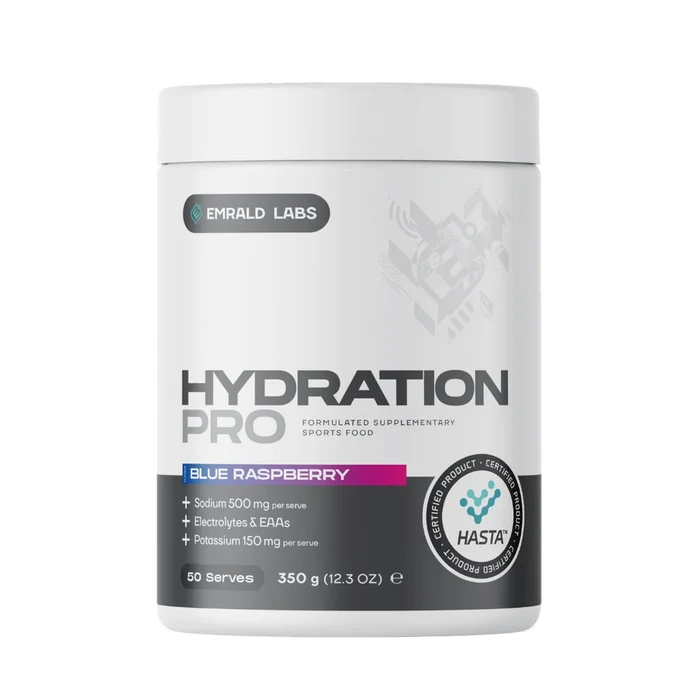
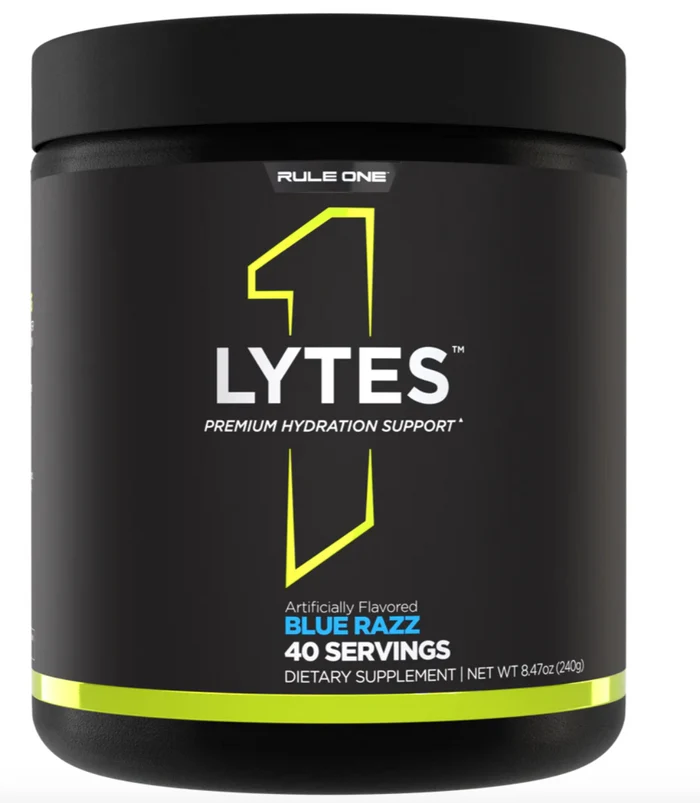
Use your regular stimulant pre-workout only for your toughest sessions, such as heavy lower body training, a demanding conditioning day or an early-morning workout after a rough sleep. On the other days, train with a stimulant-free pump formula, hydration product, carbs before training, or simply a solid meal and water.
This works well if you train four to six days per week but do not want to cut caffeine completely. You still get a performance boost when it matters, while giving your tolerance regular breathing room. Keep an eye on coffee, energy drinks and cola too. They all count towards the same daily caffeine load.
The full reset approach
If two scoops barely register or you feel like you cannot train without a hit, take a complete caffeine break for seven to 14 days. That means no caffeinated pre-workout, coffee, energy drinks, fat burners or other stimulant products during the reset.
The first few days can feel ordinary, especially if your intake has been high. Headaches, lower alertness and a grumpy mood are common caffeine withdrawal symptoms for some people. Ease the transition by prioritising sleep, drinking enough water, eating proper pre-training meals and scheduling your hardest sessions when you naturally feel most switched on.
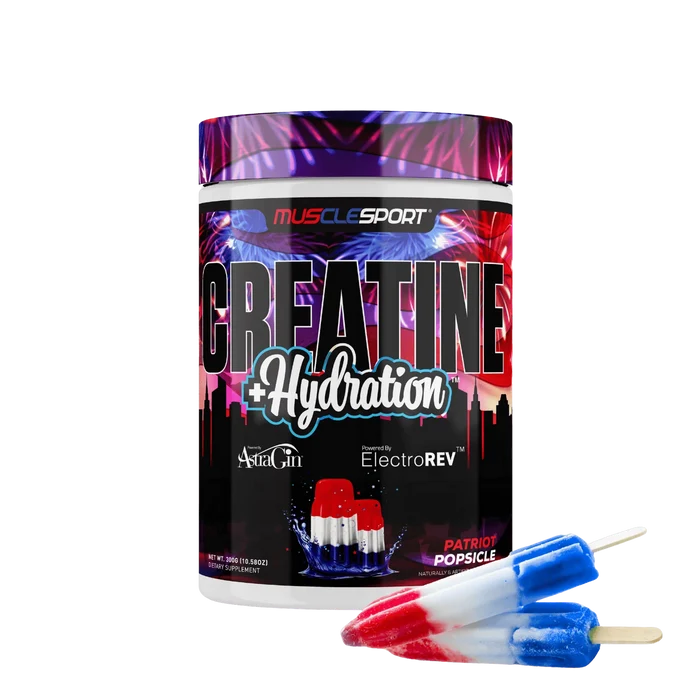
You do not need to stop training during a reset. In fact, continuing to train is useful because it reminds you that good sessions are built on programming, food, recovery and effort, not just a flavoured scoop. Consider a stimulant-free pre-workout if you enjoy the ritual or want ingredients geared towards pumps and focus without caffeine.
Start With Your Total Caffeine Intake
Before changing products, work out what you are already having in a normal day. A pre-workout label might show 200 mg or 300 mg of caffeine per serve, but your morning coffee, afternoon energy drink and occasional fat burner can push the total much higher than expected.
For healthy adults, general Australian food safety guidance commonly uses 400 mg of caffeine per day as an upper limit. That is not a performance target, and less may suit you far better. People who are sensitive to caffeine, pregnant or breastfeeding, taking medication, or managing a health condition should seek advice from a qualified health professional before using stimulant supplements.
Also check the serving size. Some formulas list an amount per scoop but recommend two scoops. Start with the lowest effective serve, particularly when trying a new pre-workout. More stimulant does not automatically mean more focus, strength or output.
Keep the Useful Parts of Your Routine
Cycling caffeine does not mean abandoning every ingredient in your supplement stack. It helps to separate acute ingredients from those that work through consistent use.
Creatine monohydrate, for example, is generally taken daily to support training performance over time. There is no need to stop it because you are taking a break from caffeinated pre-workout. If your usual product contains creatine, simply use a separate creatine product during the reset so your daily routine stays consistent.
Beta-alanine is another ingredient often used consistently, although the harmless tingles it can cause are not a measure of effectiveness. Citrulline and pump-focused ingredients are commonly used before training and can suit people who want a non-stim option. The exact approach depends on the formula and your goals, so read the label rather than assuming every pre-workout works the same way.
Get More From Pre-Workout When You Return
After a reset, do not jump straight back to your biggest serve. Start with a half serve or a single standard serve and assess it over a few sessions. Take it early enough that it will not compromise sleep, usually allowing several hours before bedtime depending on your own sensitivity.
Save your stimulant pre-workout for sessions where it has a clear job to do. That could be an early start, a heavy compound lift day, a hard interval workout or a session after a long day at work. If every workout gets the maximum dose, nothing feels special and tolerance tends to rebuild faster.
Your training setup still matters more than the tub. Have carbohydrates before demanding sessions if they fit your nutrition plan, drink enough water, and do not turn up under-fuelled expecting caffeine to cover it. A pre-workout can sharpen an already solid routine. It cannot replace one.
Signs It Is Time to Pull Back
Be honest about whether your pre-workout is helping or just keeping the habit alive. It may be time for a lower-stim phase or full reset if you notice:
- You need more than the labelled serving to feel anything.
- Your sleep is lighter, later or less refreshing.
- You feel shaky, anxious, nauseous or get heart palpitations after training.
- You crash hard after your workout or rely on caffeine all day.
- Rest-day fatigue feels worse than the training itself.
Choose a Formula That Matches the Session
A strong stimulant formula can make sense for experienced users who train early and tolerate caffeine well. But it is not automatically the best choice for every goal. A stimulant-free pump product may be a smarter fit for evening lifters, people cycling off caffeine, or anyone who wants to protect their sleep. Lower-caffeine options can also be a useful middle ground when you want energy without going all-in.
At Mr M Supplements, the range of stimulant, low-stim and non-stim pre-workouts makes it easier to match your product to the day rather than forcing one formula into every session. Compare the caffeine amount, serving size and active ingredients, then choose based on how and when you train.
The best cycle is the one you can stick to: use stimulants with intent, give your sleep the respect it deserves, and let your hardest sessions earn the extra kick.
This guide is general information, not medical advice. Check with your doctor or pharmacist before starting a new supplement, especially if you are pregnant, take medication or have a health condition, and always follow the directions on the label.